
Pain is created by your brain when it perceives threat. We identify the neurological signals creating your pain and reset them so your brain no longer needs to protect you.
Functional Neurology and P-DTR treatment for chronic pain, acute pain and persistent pain conditions. Based in Shiremoor, Newcastle.
| 17 years clinical experience | 5-star Google reviews | Free taster session | Free parking on site | Sessions available this week |
Pain is not a simple signal that travels from your body to your brain. Pain is generated by your brain based on its assessment of whether you need protection. This is not a metaphor or a psychological interpretation. It is how your nervous system actually functions.
Your brain constantly receives information from receptors throughout your body. These receptors detect position, movement, pressure, temperature and potential tissue stress. Your brain integrates this information with your memories, expectations, beliefs and current context. Based on this integration, your brain decides whether to create pain.
When your brain perceives threat, it creates pain to make you careful, to limit movement, to encourage rest. This is appropriate and protective when there is actual tissue damage. The problem is that your brain can continue to perceive threat long after any tissue damage has healed.
Tissue healing follows predictable biological timelines. Most soft tissue injuries heal substantially within weeks to months. But the neurological patterns that developed around the injury can persist indefinitely. The receptors in the area may continue to send unclear signals. Your brain may continue to interpret those signals as threatening.
This is why chronic pain often does not correlate with tissue damage. Studies consistently show that many people with severe changes on scans have no pain, while many people with significant pain have normal scans. The pain is not coming from the tissue changes. It is coming from how your brain is interpreting the signals it receives.
Understanding this does not mean your pain is not real. Your pain is absolutely real. It is created by your brain, which is the only way pain can exist. The question is why your brain is creating it and what can be done to change that.
Most pain treatment focuses on the area that hurts. Medications target pain signals or inflammation. Manual therapy works on the muscles and joints. Injections deliver drugs directly to the painful area. Exercise programmes strengthen and stretch the affected region.
These approaches can be effective when the pain genuinely originates from the treated area. But when pain is driven by neurological dysfunction elsewhere, treating the painful area addresses effect rather than cause.
Consider a common scenario. You have lower back pain. Treatment focuses on your lower back. You get massage, mobilisation, stretching, strengthening. You feel better for a while, maybe days or weeks. Then the pain returns to exactly how it was.
What likely happened is that the treatment provided input that temporarily overrode the dysfunction. But the underlying cause, perhaps faulty receptors in your foot affecting how you load your spine, or visual dysfunction changing your posture, or an old ankle injury creating compensation, was never addressed. So the symptom returns.
This is not because the treatment was bad or the practitioner was incompetent. It is because the model of focusing on where it hurts does not account for how pain is actually created.
We start from the understanding that pain is an output from your brain, not an input from your tissues. To resolve pain, we need to change what your brain is responding to.
We conduct comprehensive neurological assessment to identify which receptors are sending signals that your brain interprets as threatening. These receptors may be in the painful area. They may be distant from it. The only way to know is to test systematically.
When we identify faulty receptors, we reset them using P-DTR techniques. This changes the information your brain receives. With accurate information, your brain no longer perceives threat. It stops creating the protective pain response.
We prove every change with immediate retesting. You feel pain reduce in the room, not because we have temporarily overridden it but because we have addressed the cause.
Pain that has persisted for more than three months is typically classified as chronic. But the duration is less important than what is driving it.
Chronic pain usually indicates that neurological dysfunction is maintaining the pain response even though any original tissue injury has healed. This is good news in the sense that the tissues are not being continuously damaged. But it means that tissue-focused treatment is unlikely to produce lasting change.
We identify the neurological patterns maintaining your chronic pain and address them directly. Many people with chronic pain that has lasted years experience significant improvement because the neurological cause, once identified, can be corrected.
Pain from recent injury or sudden onset is classified as acute. Even with genuine tissue injury, neurological factors often influence how much pain you experience and how quickly you recover.
We can help with acute pain by identifying which neurological dysfunction is amplifying your pain response and addressing it. This can reduce pain levels significantly and accelerate recovery.
Pain that comes and goes, responding temporarily to treatment before returning, usually indicates an unaddressed neurological driver. The treatment helps temporarily, but the underlying cause brings the symptom back.
We identify what is causing the recurrence and address it so the pain resolves rather than continuing to cycle.
Pain that has spread from its original location to other areas often involves central sensitisation, where your nervous system has become more sensitive overall. But it also usually involves specific receptor dysfunction that can be identified and corrected.
Pain that fluctuates without obvious cause is often seen as mysterious or psychosomatic. But it typically reflects the dynamic nature of your nervous system responding to various inputs. Identifying and stabilising the key neurological factors can make pain more predictable and ultimately resolve it.
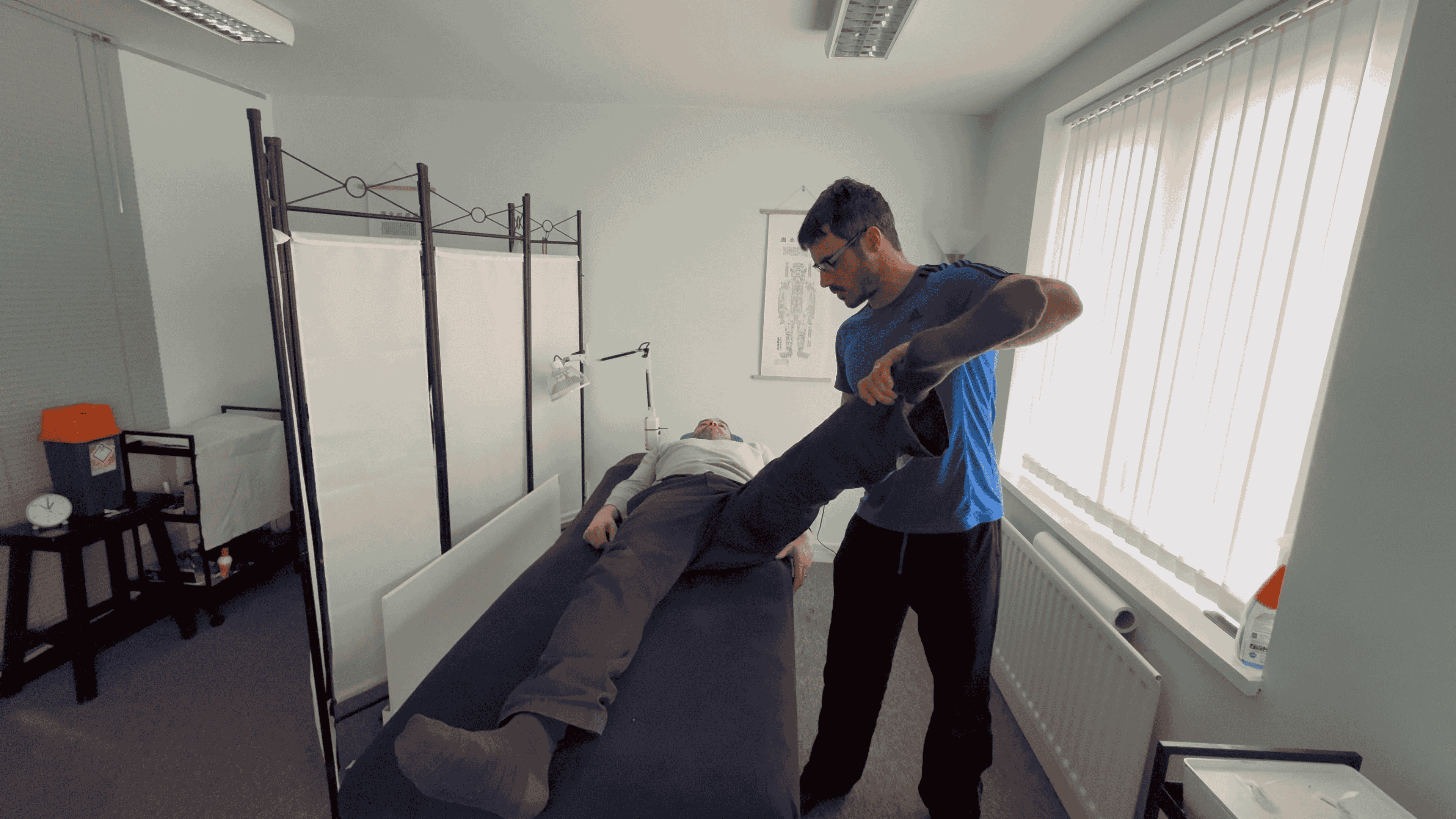
Lower back pain, upper back pain, sciatica, disc-related pain, pain that spreads into legs or buttocks. We identify the neurological drivers and reset them.
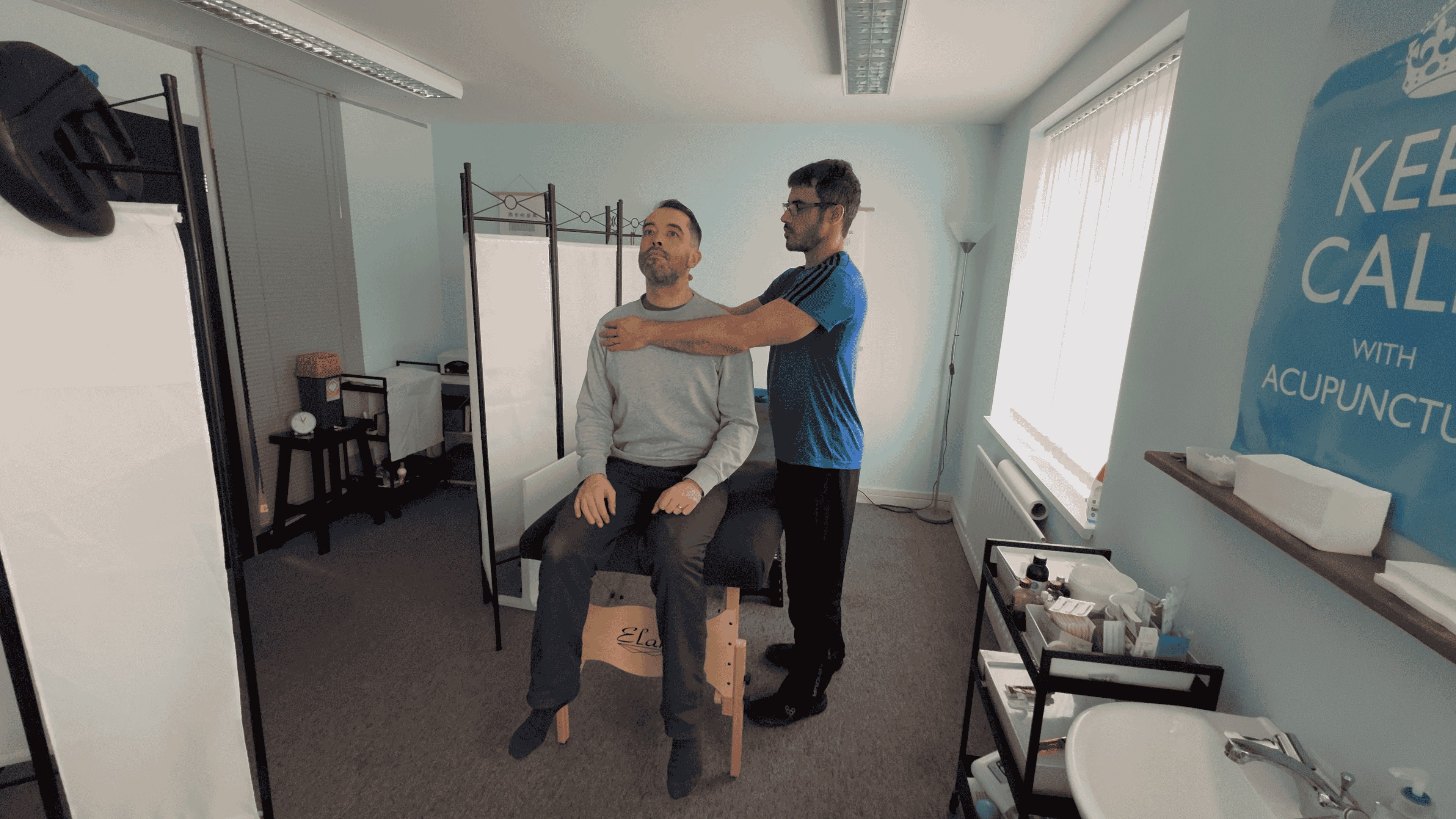
Neck stiffness, cervical pain, pain that spreads into shoulders or arms, neck pain with headaches. We test the receptors creating tension and restriction.
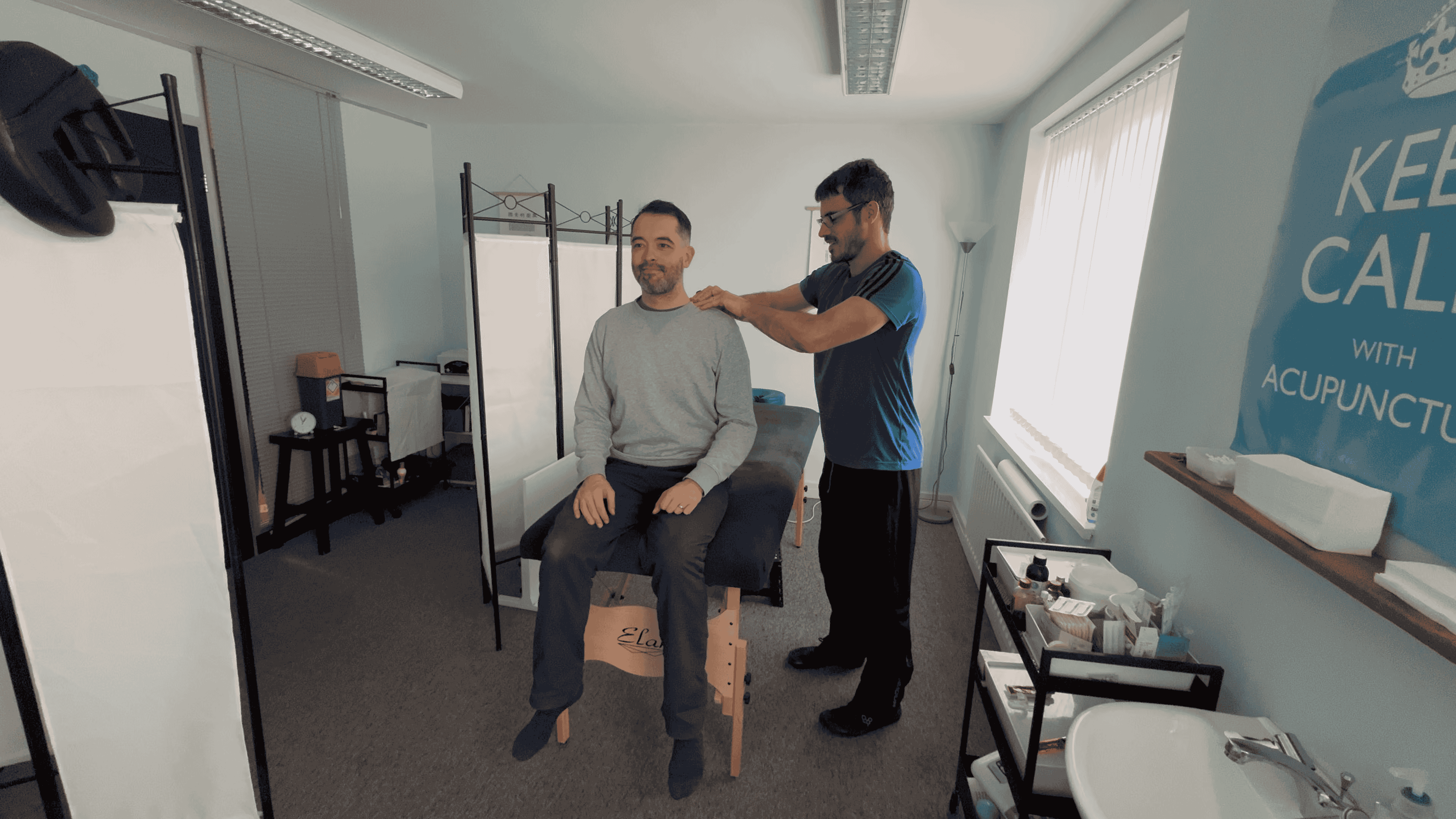
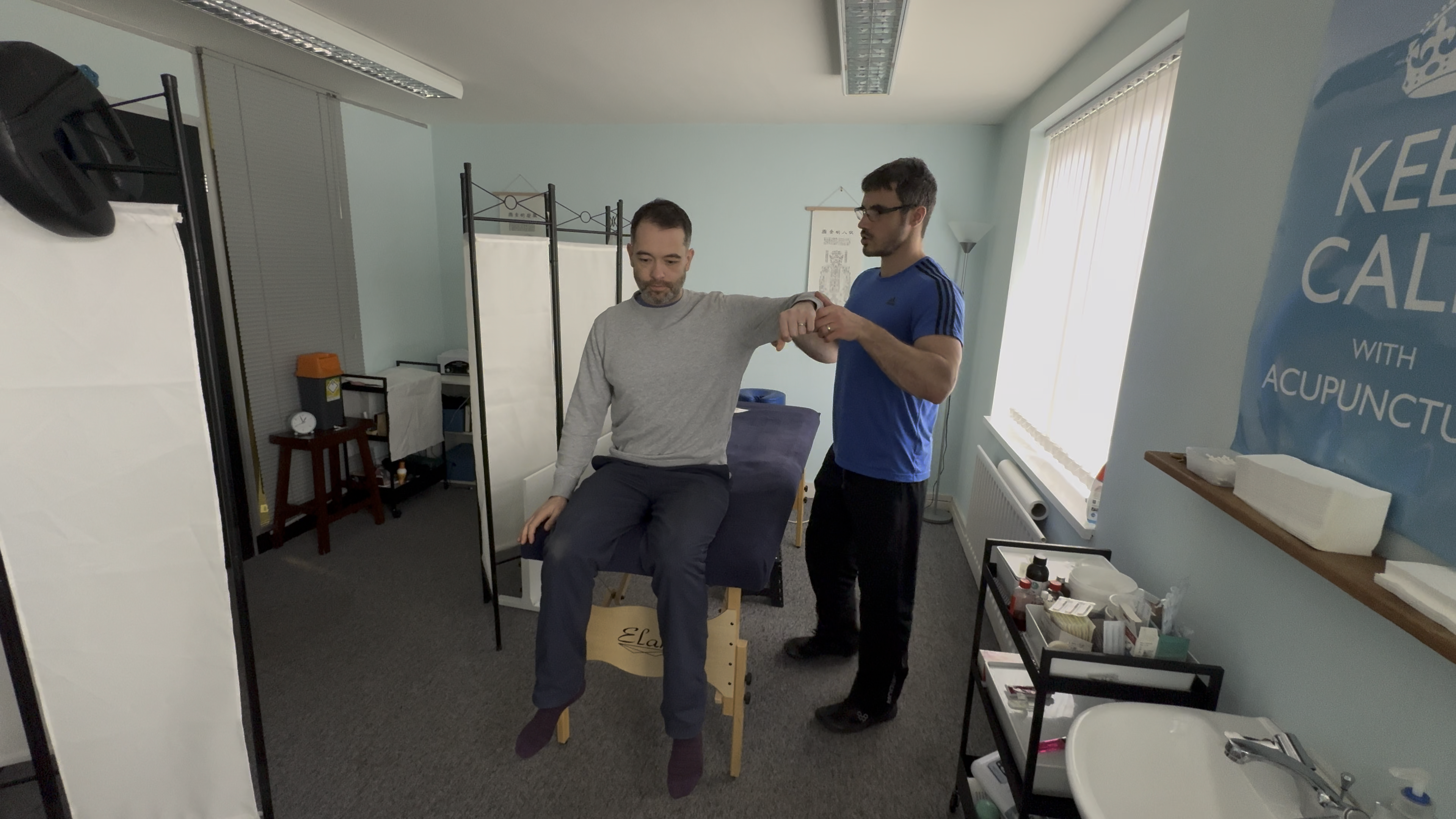
Frozen shoulder, rotator cuff problems, impingement, pain with overhead movement, shoulder instability. We find why your brain is protecting the shoulder.
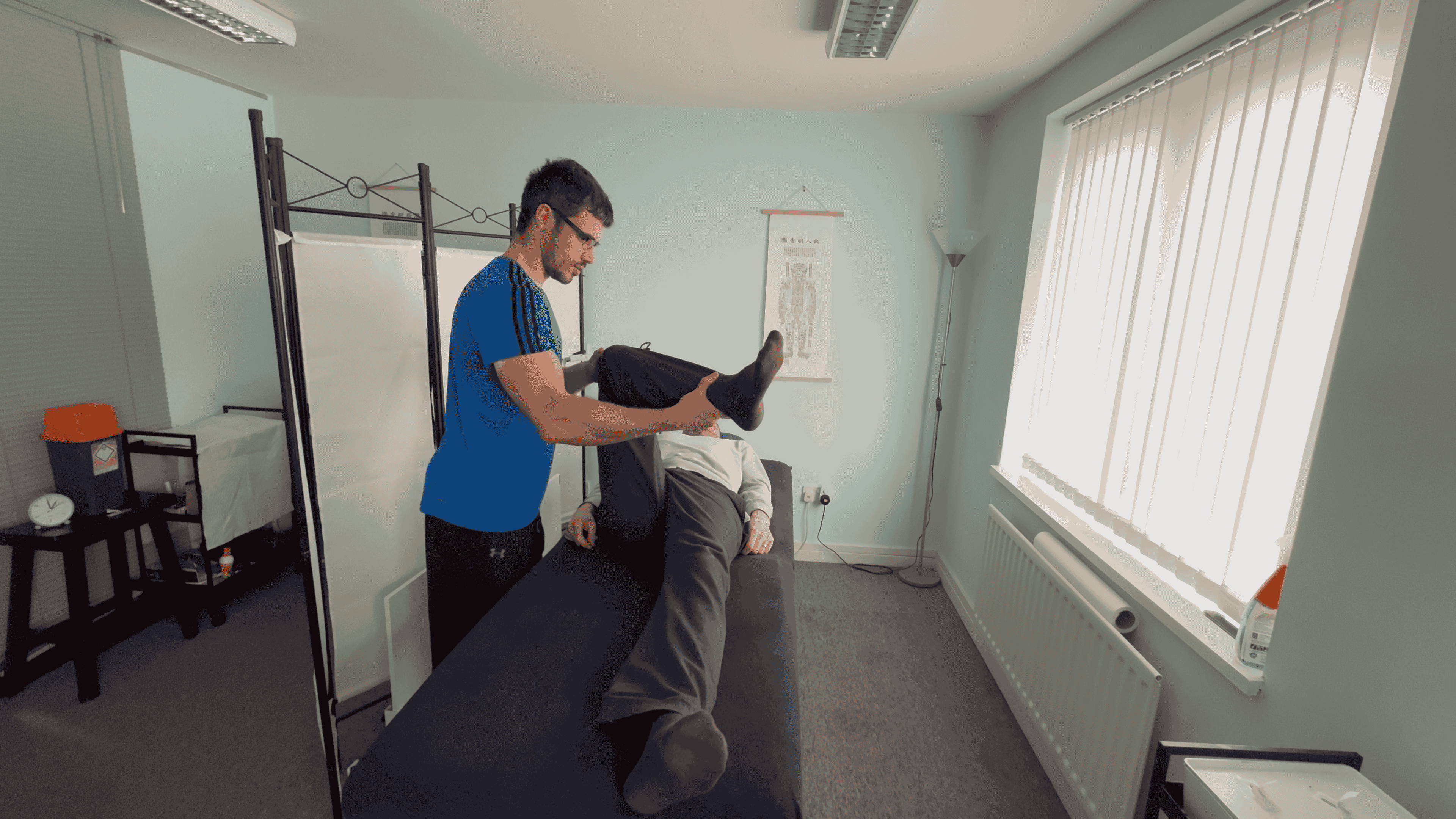
Groin pain, lateral hip pain, deep hip aching, hip pain with walking or sitting. We identify receptor faults creating hip dysfunction.
Anterior knee pain, patella problems, pain with stairs or squatting, post-injury knee issues. We test what is driving knee protection.
Plantar fasciitis, ankle instability, Achilles problems, pain with walking or running. We find the neurological faults affecting your feet.
Tension headaches, cervicogenic headaches, migraines with neck involvement, headaches with visual symptoms. We test neck, visual and vestibular contributions.
If any of this sounds familiar, the problem is likely in how your nervous system is processing information. This is exactly what we assess and treat.
A precise three-step process that resolves pain by addressing the neurological signals that create it.
We conduct comprehensive testing to identify exactly which receptors are sending signals that your brain interprets as threatening. We test throughout your body because the cause is often distant from where you feel pain.
Using P-DTR techniques, we apply precise inputs that restore normal signalling from the identified receptors. When your brain receives accurate information, it stops creating the pain response.
We immediately retest after every correction. You feel pain reduce before you leave. This is not temporary relief. It is resolution of the neurological driver.
Result:
Many people feel significant change in their first session. Simple cases often resolve in one to three sessions.
What Clients Say
“I had back pain for seven years. Sam found the cause in my first session and resolved it. The pain has not returned.”
– Client, Newcastle
“After trying everything for my shoulder pain, I was sceptical anything could help. One session with Sam and I could move freely again.”
– Client, North Tyneside
“My chronic pain made me think I would never feel normal again. Sam changed that. I finally understand what was happening and why.”
– Client, Whitley Bay
No. We’re not an emergency service. If red flags are present we refer out. Our work
complements medical care by restoring function and reducing over‑protection in your
nervous system.
Many people feel clear change within 1-3 sessions. Complex, long‑standing cases can take
longer. We’ll reassess each visit so you see steady progress.
No. You’ll receive 1-5 short drills that take seconds, used in the first week to build capacity.
We re‑check and adjust as your system stabilises.
We use P‑DTR within a Functional Neurology framework – precise receptor testing and
targeted inputs to normalise protective patterns so your body feels safe.
WhatsApp us
Choose the option that fits - we'll send the right information straight to your inbox.
Already decided? Book a free taster session →